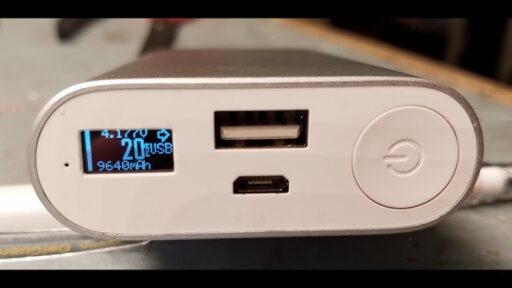
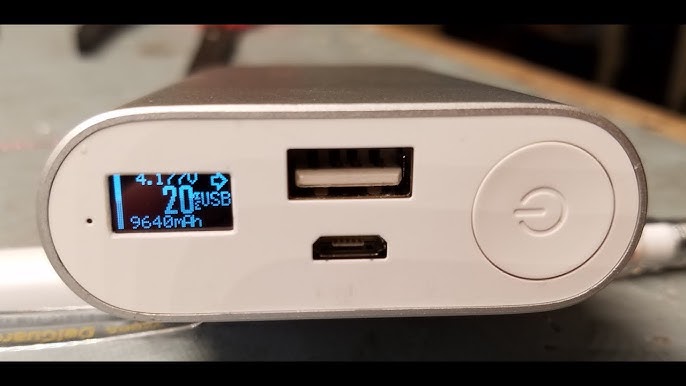

Before modifying your gear, it is essential to understand the Lithium-ion (Li-ion) battery. A Li-ion battery is a type of rechargeable battery that relies on the movement of lithium ions between an anode and a cathode through an electrolyte.
In sub-zero temperatures, the chemical reactions inside the battery slow down. The internal resistance increases, which prevents the battery from delivering its full capacity. At -20°C (-4°F), most power banks lose about 50% of their runtime. Furthermore, charging a lithium battery below freezing can cause “lithium plating,” which permanently damages the cell and creates a fire hazard.
This guide explores how to “hack” or modify your power bank setup to ensure it remains functional during winter expeditions or high-altitude climbing.
Method 1: The Passive Thermal Insulation Hack
The simplest way to hack your power bank is to prevent heat loss using thermal insulation. This method uses the heat generated by the battery’s own discharge process to keep it warm.
Tools Needed:
- Reflective Mylar (Emergency blanket material)
- Closed-cell foam or Neoprene
- Adhesive tape (Polyimide tape is best for heat resistance)
Step-by-Step Instructions:
- Wrap in Mylar: Cut a small strip of Mylar and wrap it directly around the power bank casing. The reflective surface reflects infrared heat back into the device.
- Add Foam Layer: Wrap the Mylar-covered unit in a layer of 1/4-inch closed-cell foam. This creates a barrier against the ambient cold air.
- Seal the Ports: Ensure the insulation covers the body but leaves the USB ports accessible. Use a small flap of foam to cover the ports when they are not in use.
- The “Pocket Hack”: Keep the insulated power bank in an inner pocket of your jacket, close to your baselayer. Your body heat acts as the primary heat source.
Method 2: The Active Heating Hack (USB Hand Warmer)
If you are stationary or in extreme conditions where passive insulation isn’t enough, you need an Active Heat Source. This involves using a small portion of the power bank’s energy to heat itself.
Tools Needed:
- Flexible USB Heating Pad (5V Carbon Fiber heater)
- Elastic bands
- Large-capacity power bank (at least 20,000mAh)
Step-by-Step Instructions:
- Attach the Heater: Place a small 5V carbon fiber heating pad against the flat side of the power bank.
- Secure the Bond: Use elastic bands to hold the pad firmly against the casing.
- Insulate the Sandwich: Wrap both the heater and the power bank together in a neoprene sleeve. This ensures the heat goes into the battery, not the air.
- Power On: Plug the heating pad into one of the power bank’s own USB ports. While this consumes about 2-5 Watts, the increase in battery efficiency at a warmer temperature often results in a net gain of usable power.
Method 3: The External Switch & Bypass (Advanced)
Some power banks have Firmware auto-shutoff when temperatures drop too low. Advanced users can bypass the internal thermistor, though this carries risks.
Warning: Opening a power bank casing can be dangerous. Lithium cells are volatile if punctured. Only proceed if you have experience with electronics.
Step-by-Step Instructions:
- Identify the Thermistor: Open the casing to find the NTC Thermistor (a small component that measures temperature, usually glued to the cells).
- Relocate the Sensor: Carefully extend the wires of the thermistor so it sits further away from the cold exterior or closer to a heat source.
- External Housing: Move the internal cells into a DIY 3D-printed enclosure lined with aerogel insulation for maximum thermal protection.
Essential Safety Rules for Cold Weather Power
- Never charge a frozen battery: If the power bank has been left in the cold, let it warm up to room temperature before plugging it into a wall or solar panel.
- Monitor for Condensation: Moving from sub-zero air to a warm tent creates moisture. Keep your power bank in a sealed dry bag to prevent short circuits.
- Use High-Quality Cables: Cheap cables become brittle and crack in the cold. Use silicone-jacketed cables which remain flexible at low temperatures.
Frequently Asked Questions (FAQ)
Q. What is the best power bank for cold weather?
A. Look for power banks that use LiFePO4 (Lithium Iron Phosphate) or specialized Low-Temperature 18650 cells. These are rated for better performance in the cold than standard Li-ion.
Q. Can I use hand warmers to heat my power bank?
A. Yes. Placing a chemical hand warmer (e.g., HotHands) inside an insulated pouch with your power bank is an effective temporary “hack” for sub-zero temperatures.
Q. At what temperature do power banks stop working?
A. Most standard power banks begin to struggle at 0°C (32°F) and will often shut down completely or provide minimal current at -20°C (-4°F).
Q. Is it safe to keep a power bank in my sleeping bag?
Yes. Keeping the power bank in your sleeping bag at night is the most effective way to ensure it has enough “cranking power” to charge your phone or GPS the next morning.