
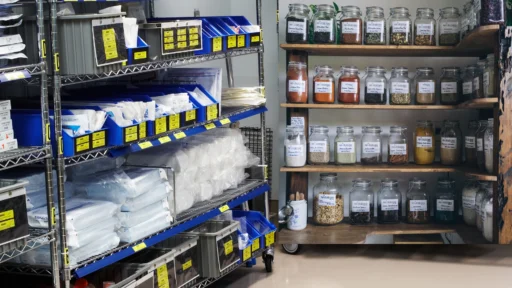
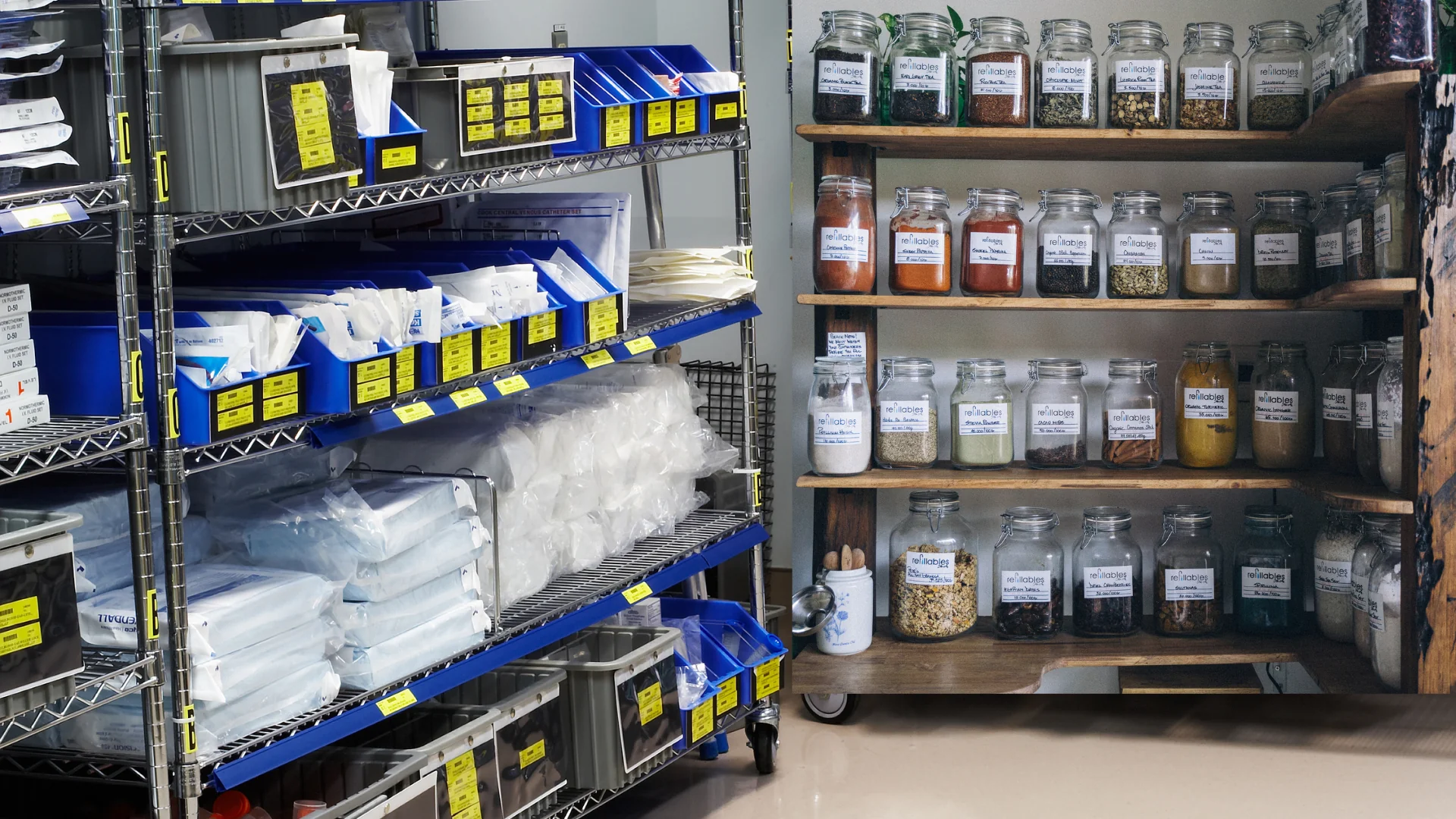

A Prepper Pantry is a specialized food storage system designed to provide nutritional security during emergencies, supply chain disruptions, or periods of economic instability. Unlike a standard kitchen cupboard, this pantry operates more like a personal grocery store. You shop from it daily, or at least regularly, while quietly maintaining a deep reserve of calories in the background. It sounds simple when written out, but in practice, it takes a bit of discipline and, honestly, a willingness to look closely at what you have and what you might be avoiding.
With global supply chains facing new pressures in 2026, performing a thorough pantry audit is one of the most effective ways to ensure your family remains fed without relying on last minute purchases. An audit, at its core, is the process of counting, inspecting, and organizing your supplies so you can identify gaps, rotate aging food, and prevent unnecessary waste. It is not especially exciting work, but it is surprisingly reassuring once it is done.
Step 1: The Total Clear-Out
To know what you actually have, you really do need to see all of it. It is almost impossible to perform an accurate audit by just peering at the front of the shelves and guessing what is hidden behind everything else.
Empty every shelf. Move every single item to a large staging area, whether that is a kitchen table, countertop, or even a clean section of the floor. This part feels disruptive, and perhaps a little chaotic, but it matters. You will almost certainly find items you forgot existed.
Clean the space as you go. Wipe down shelves, corners, and storage bins to remove dust and crumbs, and take a moment to check for signs of pests such as weevils or rodents. Even small signs are worth addressing now rather than later.
Group by category while unloading. As items come off the shelves, place them into clear groupings like proteins, grains, fats, hydration, or comfort foods. Calling them “entities” or categories may sound formal, but the goal is simple. You want to see patterns in what you own, not just a pile of cans.
Step 2: The Inspection and Triage
Not everything in your pantry will still be viable, and that is normal. By 2026, many items purchased during the 2020 to 2022 period are reaching, or already past, their intended shelf life. This step is about being realistic rather than sentimental.
Check best by dates carefully. It is important to distinguish between expiration dates, which are safety related, and best by dates, which refer to quality. Most canned goods remain safe for years past their listed date if the seal is intact and the can itself is in good condition.
Inspect for physical damage. Discard any cans with deep dents, bulging lids, or rusting seams. These are not cosmetic issues. They can be signs of botulism, a serious toxin producing bacteria that is not worth taking chances with.
Use your senses. Open questionable dry goods and pay attention to smell and appearance. If flour smells paint like or bitter, the natural oils have gone rancid. It might feel wasteful to throw food away, but keeping unsafe food helps no one.
Step 3: Inventory Documentation
Data is the backbone of a successful pantry audit. Without a written or digital record, it is easy to overbuy the wrong things and overlook critical shortages.
Count every unit. Whether you prefer a spreadsheet, a notebook, or a dedicated pantry app, record each item and its quantity. Choose a system you will actually maintain, not one that looks impressive but gets abandoned.
Log the calories. For deeper preparedness, tracking total calories matters more than counting cans. A common benchmark remains around 2,000 calories per person per day, though individual needs vary. Seeing the math laid out can be eye opening, and sometimes a little sobering.
Identify the First In, First Out order. Mark the year of purchase on the lid of each item with a thick permanent marker. This small habit ensures that older food is used first, which quietly reduces waste over time.
Step 4: Analyze Nutritional Gaps
One of the most common mistakes in preparedness is copycat prepping. People buy what they see others buying, not what they actually eat or need.
Look for the comfort gap. Do you have morale foods like coffee, chocolate, spices, or familiar snacks? In high stress situations, these are not luxuries. They play a real role in mental well being, and their absence is often felt more than expected.
Check the macro gap. Many pantries are heavy on rice and beans but light on fats. Oils, ghee, and other fat sources are essential for brain function and calorie density. Without them, meals become harder to sustain, both physically and emotionally.
Assess the water gap. For 2026, the standard recommendation still stands at one gallon of water per person per day for drinking and basic hygiene. Food storage plans without adequate water are, frankly, incomplete.
Step 5: Implement a Rotation System
A pantry should function as a living system, not a sealed time capsule you are afraid to open.
Shop your pantry first. Use items nearing their 2026 dates in your regular meal planning. This practice keeps food fresh in your diet and prevents sudden large scale waste later.
Replenish immediately. When you use a bottle of oil or finish a case of canned vegetables, add it to your grocery list right away. This maintains your buffer gradually instead of relying on a large, expensive restock.
Update your labels consistently. Make sure all new 2026 purchases are clearly dated and placed at the back of the shelf. It is a small detail, but over time it keeps the entire system working smoothly.
Key Concepts in Prepping
Shelf stable foods are items that can be safely stored at room temperature for long periods, such as canned meats or dried pasta. These form the backbone of most prepper pantries.
Mylar bags are specialized metallic film bags used for long term storage of dry goods. They create an effective barrier against oxygen and moisture when sealed properly.
Oxygen absorbers are small packets, often filled with iron powder, placed inside sealed containers. They remove residual oxygen, helping prevent spoilage and insect growth.
Performing a prepper pantry audit is not about fear or panic. It is about clarity. Once everything is counted, inspected, and organized, you are no longer guessing. You know where you stand, and that knowledge alone is worth the effort.
Frequently Asked Questions (FAQ)
Q: How often should I perform a pantry audit?
A: You should conduct a full audit at least twice a year. Many preppers choose the start of spring and autumn to align with seasonal shifts in eating habits.
Q: Is it safe to eat canned food from 2023 or 2024?
A: Generally, yes. If the can is not bulging, leaking, or heavily rusted, the contents are likely safe, though some vitamins and textures may have degraded.
Q: What is the most common item people forget in their 2026 audit?
A: Cooking fuel and manual tools. If you have 50 cans of beans but no manual can opener or a way to heat them during a power outage, your pantry is incomplete.
Q: How do I prevent pests in my dry goods?
A: Freeze flour, rice, and grains for 48 hours before adding them to your pantry to kill any microscopic larvae. Afterward, store them in airtight glass jars or food-grade buckets.